
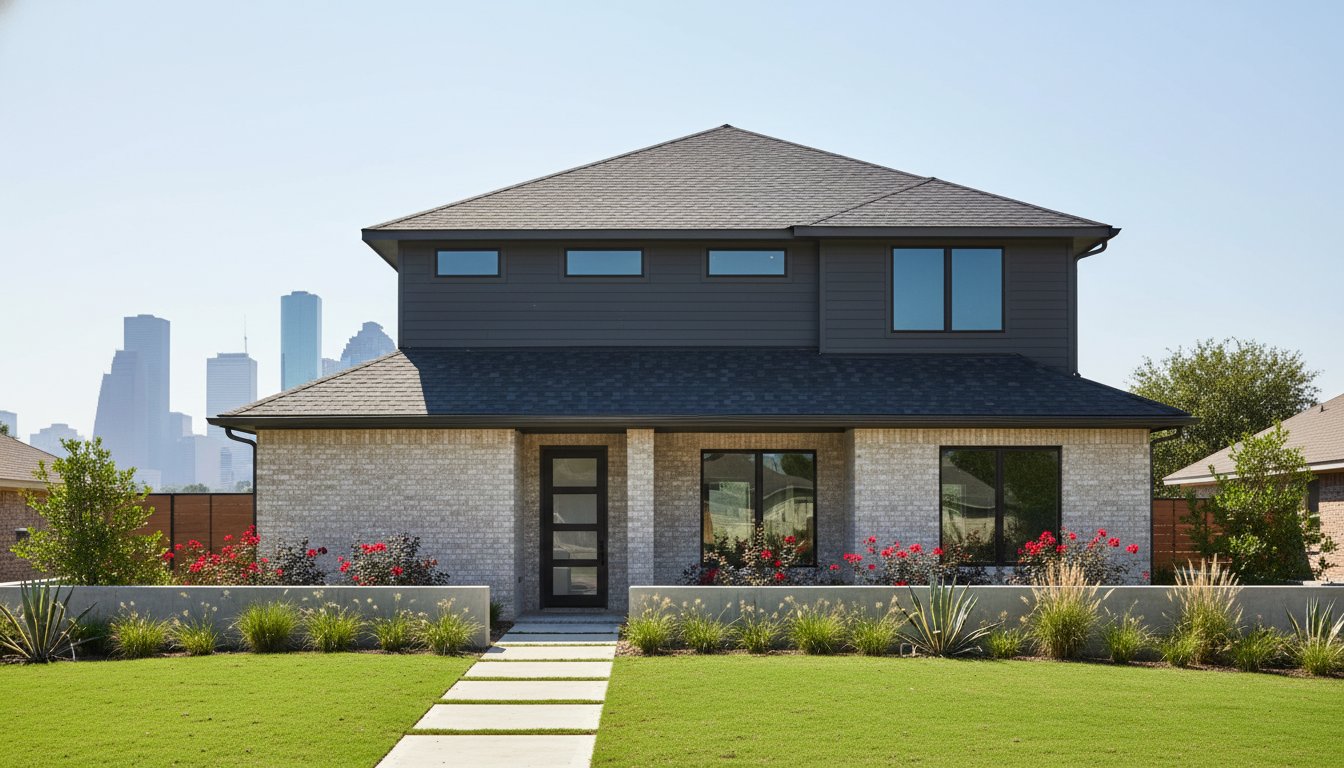
In Houston, a roof is more than a structural necessity; it’s a critical defense against extreme UV radiation and rising utility rates. While the average cost to replace roof with solar shingles Houston currently ranges between $21 and $25 per square foot, this 2026 investment represents a strategic move toward long-term energy independence. For a standard 2,000-square-foot residence, a total project cost of $42,000 to $50,000 integrates high-performance protection with active power generation. This sophisticated approach addresses the reality of the Texas climate while positioning your property as a self-sustaining asset.
We recognize that high energy bills during Houston summers and the complexity of Harris County permitting can create significant hesitation for property owners. This guide provides a meticulous breakdown of the 30% federal tax credit and the specific property tax exemptions that offset your initial capital expenditure. You’ll gain a clear understanding of the technical requirements for a seamless installation and a roadmap for ensuring your system meets all local building codes. We’ll examine the financial metrics and engineering standards necessary to transform your roof into a reliable source of clean, disciplined energy.
Key Takeaways
- Analyze the superior structural resilience of integrated shingles compared to traditional panels during Gulf Coast weather events.
- Evaluate the comprehensive cost to replace roof with solar shingles Houston, including specialized labor and PE-stamped engineering requirements.
- Identify specific strategies for navigating Harris County permitting and securing architectural review board approval from your HOA.
- Explore the financial advantages of syncing roof warranties with solar production guarantees for a seamless, long-term asset management plan.
- Assess the integration of solar reroofing with advanced storage solutions like the Tesla Powerwall 3 to ensure uninterrupted facility operations.
The Strategic Value of Solar Shingles in Houston’s Climate
Houston’s environmental profile demands a specialized approach to roofing. The city experiences an average of 204 sunny days per year, with a UV index that frequently exceeds 10 during the summer months. This intense radiation degrades traditional materials while presenting a massive opportunity for energy capture. Solar shingles transform a passive structural component into an active power generator, designed to withstand the specific rigors of the Gulf Coast. For many property owners, the cost to replace roof with solar shingles Houston is a strategic investment in a system that serves as both a primary water barrier and a high-efficiency utility.
Integrating solar technology directly into the roof deck eliminates the traditional liability gap between roofing contractors and solar installers. When a single entity manages the entire building envelope, the risk of post-installation leaks or structural compromises vanishes. This single-source accountability is vital for maintaining long-term property value and ensuring warranty continuity. Additionally, Houston homeowners associations often favor the low-profile aesthetics of shingles over the bulky appearance of traditional racking systems. This architectural preference streamlines the approval process with local review boards, as the integrated design preserves the home’s original silhouette and curb appeal.
Wind Load and Structural Integrity
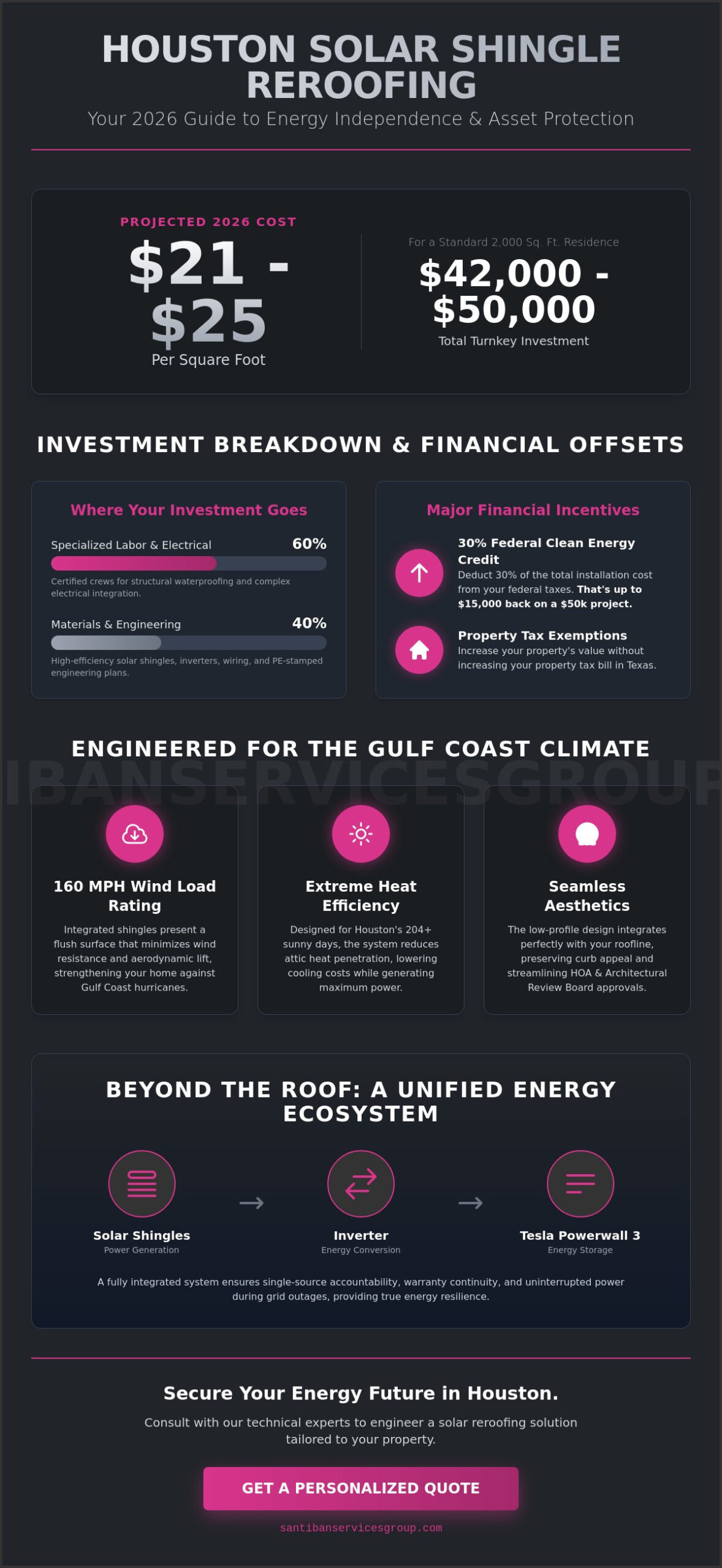
Houston’s proximity to the coast requires building materials that meet 160mph wind load ratings. Traditional solar panels often act as sails, creating significant uplift pressure on the roof structure during severe storm events. In contrast, integrated shingles are fastened directly to the roof deck, presenting a flush surface that minimizes wind resistance and aerodynamic lift. By functioning as the primary roofing material, these shingles provide a seamless protective layer that prevents water intrusion even under extreme atmospheric pressure. This integration ensures that the solar system strengthens the building’s structural integrity rather than acting as an external stressor during hurricane season.
Thermal Performance in Texas Heat
Managing heat dissipation is critical when ambient temperatures exceed 100°F. Modern solar shingles utilize advanced materials to maintain high efficiency even under extreme thermal stress. Proper roof ventilation remains a non-negotiable requirement for system longevity; it prevents heat buildup beneath the shingles that could otherwise degrade the electrical components. Homes with integrated solar roofs often see a reduction in cooling costs because the shingles absorb and convert energy that would otherwise penetrate the attic space. This thermal management, combined with active power generation, creates a comprehensive strategy for facility efficiency in the Texas heat.
Breaking Down the 2026 Costs: Materials, Labor, and Engineering
Calculating the total cost to replace roof with solar shingles Houston requires a granular understanding of both active and passive components. In 2026, the average expenditure for these systems remains between $21 and $25 per square foot. This figure includes high-efficiency solar shingles for energy production zones and visually identical “dummy” shingles for shaded or north-facing sections. Using non-active shingles in these areas maintains a seamless aesthetic while strategically reducing unnecessary material expenses. These costs are significantly offset by the Federal Residential Clean Energy Credit, which allows homeowners to deduct 30% of the total installation price from their federal taxes.
Labor accounts for approximately 60% of the total investment. Unlike traditional roofing, these installations demand specialized crews capable of managing both structural waterproofing and complex electrical integration. The infrastructure includes sophisticated inverters and meticulous wiring systems that often terminate in advanced storage solutions like the Tesla Powerwall 3. This integrated approach ensures that your energy production and storage function as a unified, resilient system. To ensure your project utilizes the most efficient components available, you may wish to consult with the technical experts at Santiban Services Group.
The Role of PE-Stamped Engineering
Harris County building departments prioritize structural safety, particularly for systems that alter the weight profile of a residential roof. Obtaining PE stamped engineering for solar systems is a mandatory requirement for most Houston jurisdictions. A Professional Engineer (PE) must verify that your home’s existing frame can support the integrated shingles while meeting 160mph wind load standards. This meticulous design phase acts as a safeguard against structural failure and dramatically reduces permitting delays by providing officials with verified technical data.
CenterPoint Energy Interconnection Fees
Connecting your solar roof to the local utility grid involves a formal application process with CenterPoint Energy. In 2026, permitting fees for solar installations in Houston typically range from $250 to $500, depending on the system’s size and complexity. This process includes the installation of a bidirectional meter to track the energy you contribute back to the grid. The standard interconnection timeline for Houston residents generally spans two to four weeks following the completion of the physical installation and final municipal inspections.
Solar Shingles vs. Solar Panels: A Houston ROI Comparison
When evaluating the total cost to replace roof with solar shingles Houston, homeowners must look beyond the initial invoice. Traditional solar panel installations typically range between $15,000 and $60,000 when combined with a new asphalt roof. However, this figure doesn’t account for the secondary mobilization costs required when the roof eventually reaches its end-of-life before the panels do. In contrast, solar shingles function as a single-source solution. They provide a unified warranty that covers both the structural integrity of the roof and the electrical performance of the energy system. This integration eliminates the logistical complexity of managing separate roofing and solar contractors.
Home resale value in the Houston market shows a clear preference for integrated systems. Potential buyers often view “bolted-on” solar panels as a maintenance liability or an aesthetic detraction. Solar shingles are perceived as a premium architectural upgrade. Maintenance is also more targeted; replacing a single damaged shingle is a routine roofing task, whereas panel repair often requires dismantling entire racking sections. For those researching the foundational steps of this transition, the U.S. Department of Energy provides a Homeowner’s Guide to Going Solar that outlines standard industry expectations.
The 25-Year Cost Perspective
A traditional roof in Houston often requires replacement every 15 to 20 years due to extreme weather exposure. If you install panels on a mid-life roof, you’ll eventually pay thousands to remove and reinstall that hardware during a reroofing project. Solar shingles solve this by serving as the roof itself. While traditional panels offer a slightly lower cost per watt at $2.84 compared to $3.00 to $4.50 for BIPV systems, the long-term ROI favors the integrated approach. You can find more data on system durability in our guide on Tesla and solar roof solutions.
Tax Credits and Financial Incentives in 2026
The financial landscape for solar in 2026 remains highly favorable. The 30% federal tax credit applies to the entire cost to replace roof with solar shingles Houston, including all labor and engineering fees. This credit significantly reduces the net investment for a system that also qualifies for the Texas property tax exemption. Under state law, the added value of a solar energy system is exempt from property tax assessments. This ensures your home value increases without a corresponding hike in your annual tax bill. Many Houston homeowners leverage solar-specific loans or HELOCs to spread the capital requirement while immediately benefiting from reduced monthly utility expenditures.
Navigating Permits and HOA Requirements in Houston
Integrating solar technology into a residential structure requires strict adherence to the City of Houston Building Code. While the physical cost to replace roof with solar shingles Houston is a primary consideration, the administrative phase is equally critical for project success. Houston’s regulatory environment demands that all grid-tied systems undergo a rigorous inspection process to ensure electrical safety and structural compliance. A Master Electrician must oversee the final grid tie-in to certify that the installation meets the National Electrical Code (NEC) standards and local amendments. This professional oversight protects your investment and ensures that your homeowners insurance policy remains valid after the structural modification.
Insurance providers in Harris County often view integrated solar shingles differently than traditional “bolt-on” panels. Because the shingles serve as the primary roofing material, they’re typically covered under the dwelling portion of your policy rather than as a separate equipment rider. It’s essential to notify your agent before installation to confirm that your coverage limits reflect the increased replacement value of the structure. This proactive communication prevents coverage gaps and ensures that your system is protected against the same wind and hail risks as a standard roof.
Harris County Permitting Checklist
The permitting process in Houston remains a structured, multi-step sequence. In 2026, turnaround times for City of Houston electrical permits typically average two to four weeks. Your application must include detailed site plans, electrical diagrams, and the previously discussed PE-stamped engineering documents. Common reasons for rejection include incomplete load calculations or failure to specify the exact placement of rapid shutdown devices. Budgeting $250 to $500 for these municipal fees is necessary to avoid unexpected delays during the mobilization phase.
HOA Navigation Strategies
Texas Property Code Section 202.010 provides significant protection for homeowners, preventing HOAs from prohibiting solar energy devices. However, neighborhood committees can still enforce reasonable restrictions regarding the system’s appearance and placement. Presenting solar shingle designs is often more successful than presenting traditional panels because the integrated profile conforms to the roof’s existing slope. We recommend providing your architectural review board with meticulous documentation, including professional renderings and material samples. This proactive approach demonstrates that the system maintains the community’s aesthetic standards while exercising your legal right to renewable energy.
For a streamlined experience that manages every regulatory detail from engineering to final inspection, you can request a comprehensive site evaluation from Santiban Services Group today.
Why Santiban Services Group is Houston’s Choice for Solar Reroofing
Santiban Services Group leverages decades of industrial electrical construction experience to deliver residential solar solutions with unmatched technical precision. This professional background ensures that the cost to replace roof with solar shingles Houston reflects a level of engineering typically reserved for large scale commercial infrastructure. We prioritize the structural resilience of your facility by managing the entire building envelope through a single source solution. Every project includes comprehensive, in-house PE-stamped engineering design to verify that your home meets the 160mph wind load requirements essential for Gulf Coast safety. This disciplined approach eliminates the liability gaps common when coordinating separate roofing and solar entities.
As a certified Tesla powerwall installer, we provide an integrated ecosystem for energy production and storage. Our dedicated teams install the Tesla Powerwall 3 with meticulous attention to electrical detail, ensuring your home achieves true energy independence. We focus on long term performance and corporate level stability, positioning ourselves as a high end strategic partner for Houston’s luxury property owners. By maintaining an invisible but competent presence, we ensure every operational detail is under expert control from the initial site assessment to final grid interconnection.
Industrial-Grade Residential Execution
We treat every residential solar reroofing project with the same rigorous methodology used in industrial electrical construction. Our “Silent Engine” approach means we manage every complex logistical challenge in the background, minimizing disruption to your daily operations. This focus on excellence in every detail ensures a seamless transition to renewable power. Property owners seeking to maximize their utility returns should review our Tesla Electric ROI guide to understand how advanced storage integration impacts your total investment value in 2026.
Ready to Protect Your Houston Home?
Securing your home against future energy volatility requires a tailored, proactive strategy. During your initial site assessment, our engineers conduct a thorough analysis of your roof’s structural capacity and solar exposure. We provide clear, factual data regarding your system’s design and projected performance metrics. This organized process ensures the cost to replace roof with solar shingles Houston is transparent and aligned with your specific facility requirements. Contact Santiban Services Group for a Professional Quote to begin your transition to a resilient, energy-independent residence.
Securing Your Houston Property for a Sustainable Future
Transitioning to an integrated solar roof represents a strategic capital improvement that combines structural resilience with high-efficiency power generation. This 2026 guide has detailed how the 30% federal tax credit and Texas property tax exemptions significantly mitigate the initial investment. By aligning your project with strict Harris County building codes and HOA aesthetic standards, you ensure a seamless upgrade that enhances long-term property value. Understanding the total cost to replace roof with solar shingles Houston is the first step toward achieving a disciplined and self-sustaining energy profile.
Santiban Services Group delivers this transition with the precision of over 24 years of industrial electrical experience. Our Tesla-certified installation team and in-house PE-stamped engineering design provide the technical certainty required for Houston’s unique climate challenges. We focus on meticulous execution to ensure your facility remains a reliable asset for decades. Request Your Professional Solar Reroofing Quote from Santiban to begin your journey toward energy independence. We look forward to providing the tailored solutions your home deserves.
Frequently Asked Questions
How much does it cost to replace a roof with solar shingles in Houston?
The average cost to replace roof with solar shingles Houston ranges from $21 to $25 per square foot in 2026. For a standard 2,000 square foot residence, property owners should anticipate a total investment between $42,000 and $50,000. This comprehensive figure includes high grade materials, specialized labor, and the necessary electrical infrastructure for a grid tied system.
Are solar shingles strong enough to withstand Houston hurricanes?
Integrated solar shingles are engineered to meet and exceed 160mph wind load ratings required for coastal Texas. Unlike traditional panels that create uplift pressure, these shingles are fastened directly to the roof deck to provide a flush, aerodynamic surface. This meticulous design ensures the system acts as a primary water barrier during extreme atmospheric events.
Can I get the 30% federal tax credit for a solar roof in 2026?
The Residential Clean Energy Credit remains available at a 30% rate through 2032. This federal incentive applies to the entire project cost, including the solar shingles, electrical wiring, labor, and municipal permitting fees. Homeowners must own the system outright to qualify for this significant reduction in their total capital expenditure.
How long does it take to install a solar shingle roof in Houston?
The physical installation of an integrated solar roof typically requires five to ten business days of active labor. However, the total project timeline includes a two to four week period for City of Houston permitting and utility interconnection approvals. Our dedicated teams manage these administrative phases in the background to ensure a seamless transition to renewable power.
Do solar shingles work with the Tesla Powerwall 3?
Solar shingles are fully compatible with the Tesla Powerwall 3 to create a unified energy plus storage ecosystem. This integration allows for sophisticated load management and provides critical backup power during grid instability. As certified installers, we ensure that the electrical communication between the shingles and the battery system is optimized for maximum efficiency.
What happens if a solar shingle is damaged by hail in Texas?
Most modern solar shingles carry a Class 4 impact rating, the highest industry standard for hail resistance. If a specific area sustains damage, individual shingles can be replaced without dismantling the entire array. This modular design offers a significant maintenance advantage over traditional solar panels, which often require extensive labor to repair or replace.
Is a roof replacement always necessary before installing solar?
When choosing solar shingles, a full roof replacement is the standard procedure because the shingles function as the primary roofing material. This approach ensures that the structural integrity of the roof deck matches the 25 year lifespan of the solar components. Installing an integrated system eliminates the future cost of removing panels to perform traditional reroofing maintenance.
Does a solar roof increase my Houston property taxes?
A solar installation will not increase your property tax burden in the state of Texas. While the cost to replace roof with solar shingles Houston adds measurable market value to your home, state law provides a specific property tax exemption for renewable energy systems. This ensures you benefit from increased equity without a corresponding rise in annual tax assessments.